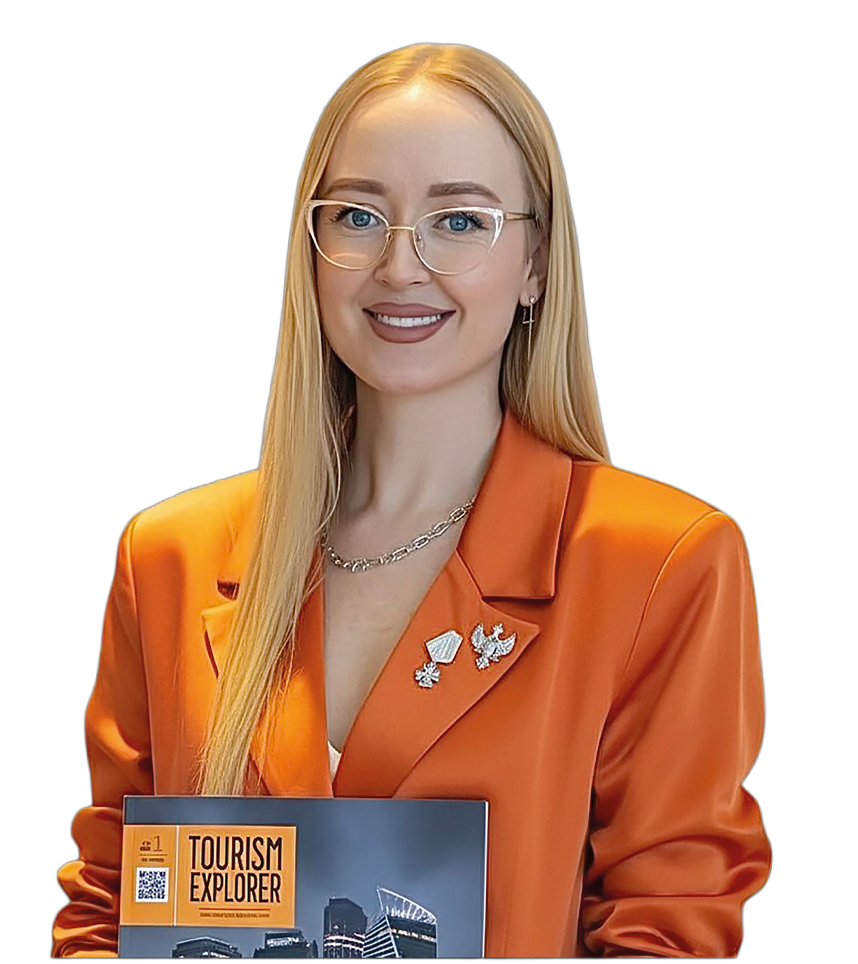
Olga Filippova
Media and Marketing Director, HelloOtel TurboMarketing
General Coordinator, Tourism Explorer Magazine
Dear colleagues and partners,
Ahead of the release of the 4th issue of our Tourism Explorer magazine, we traditionally asked ourselves a key question: what truly matters for a professional today? In a period marked by turbulence, shifting logistics, and the restructuring of consumer habits, there is a need not only for timely information but also for refined expertise. That is why we built this issue around the “living voices” of industry leaders from senior hotel marketing executives to founders of tour operator holding companies and chief editors of leading B2B media outlets.
In this section, you will find analyses of unique strategies: from a comparative review of the tourism markets of Russia and Türkiye by Rashad Mamedov, to discussions on the importance of rewarding excellence in the industry with a representative from HelloOtel management. Together with Güzel Kıyak, we reflect on the profile of the modern executive, while Tatyana Karseka reveals new dimensions of Egypt’s tourism marketing. We spoke with Selçuk Meral, one of the creators of key industry events, and learned from Ahmet Haluk Özsevim how media maintains a balance between speed and depth.
At a time when tourism is becoming increasingly fragile yet simultaneously more adaptive, expert opinions are not just analytics. They are a compass that helps us see the horizon, even when the immediate landscape changes every day.
Analysis of the Specifics of Hotel Marketing in Egypt
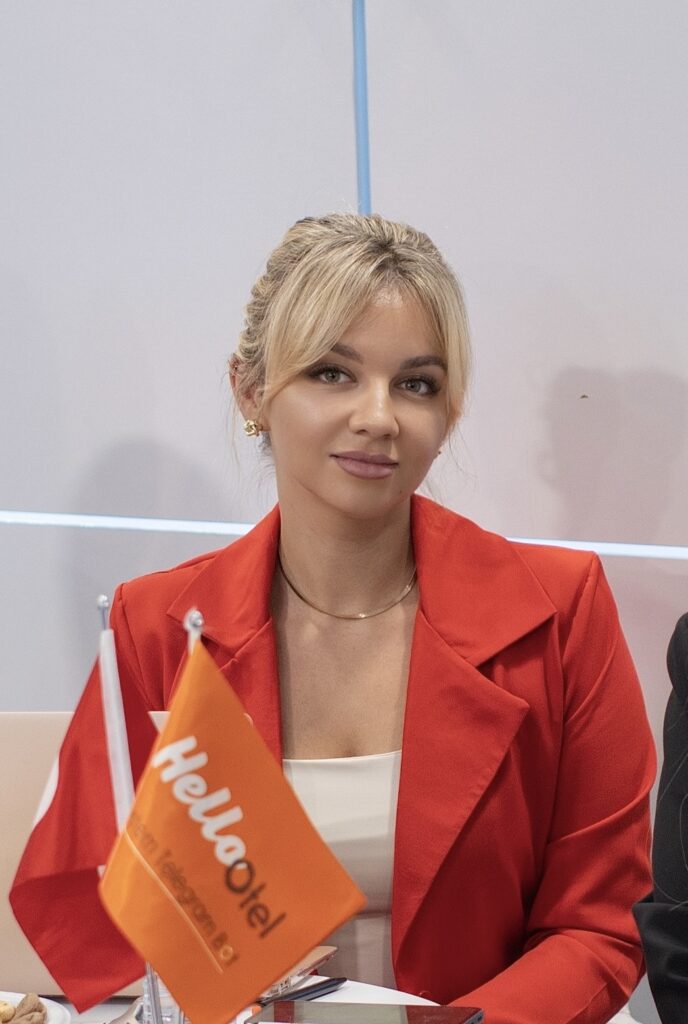
Tatiana Karseka
Product Destination Manager
HelloOtel Turbo Marketing Egypt
Tourism Explorer: Tatiana, Egypt has traditionally been associated with beach holidays and diving. However, the market is changing. What unconventional marketing approaches are currently most effective for promoting Egyptian hotels in the CIS and European markets?
Tatiana Karseka: Indeed, the classic positioning of Egypt as a “sea + all-inclusive” destination no longer provides the same competitive advantage. Today, the winners are those hotels that can repackage their product and work with эмоции, meanings, and new travel scenarios. I would highlight several unconventional, yet already proven, approaches.
First, niche targeting and working with micro-audiences. Instead of mass campaigns, hotels are increasingly creating offers tailored to specific interests: digital detox programs, gastronomic weekends, yoga retreats, and educational family holidays. Such products are easier to promote through targeted channels and generate higher engagement.
Second, collaborative marketing is rapidly developing. This involves partnerships with brands, influencers, and even educational platforms. For example, joint programs with fitness trainers, chefs, or wellness experts allow hotels to go beyond standard tourism offerings and access already established audiences.
The third key trend is experience-driven storytelling. For CIS and European markets, short-form video content, real guest stories, and behind-the-scenes content are particularly effective. Users want to see the “real Egypt” not just perfect beaches, but also atmosphere, people, and emotions. This increases trust and lowers the decision-making barrier.
It is also important to highlight product and marketing flexibility. Rapid adaptation to seasonal trends, economic conditions, and changing tourist behavior is critical. This may include dynamic pricing, event-based offers, or personalized packages.
Another effective tool is reputation management and user-generated content (UGC). Hotels that systematically encourage guests to share reviews, photos, and videos gain organic reach that is often more effective than traditional advertising.
Finally, digital technologies and personalization cannot be overlooked. The use of CRM systems, behavioral analytics, and automated communications enables a more precise dialogue with customers—from the first contact to repeat sales.
Overall, successful promotion of Egyptian hotels today is less about geography and infrastructure, and more about creating a unique experience and communicating it effectively.
Tourism Explorer: What are the main differences in positioning Egyptian hotels compared to those in Turkey or the UAE? Do Egyptian hoteliers rely on anything beyond “sea and sun”?
Tatiana Karseka: Professionally speaking, the positioning of hotels in Egypt has historically been built around a strong core product year-round sunshine, the Red Sea, and affordable all-inclusive offerings. This foundation still provides a competitive advantage, especially in mass markets.
However, the key difference compared to Turkey and the UAE lies in the maturity of the product and the structure of investments. Turkey has made significant progress in diversifying and “packaging” experiences: focusing on gastronomy, family infrastructure, themed hotels, high service standards, and in-resort entertainment. The UAE, on the other hand, sells not just vacations, but status and unique experiences architecture, urban development, shopping, event tourism, and the luxury segment.
Egypt, for a long time, remained in the “value for money” niche offering good quality holidays at reasonable prices. But the market is gradually changing.
Today, Egyptian hoteliers are increasingly focusing on several key areas:
Diving and active tourism. The Red Sea is one of the world’s top diving destinations, and this is no longer just an add-on but a standalone demand driver. Specialized dive hotels, water sports centers, and kitesurfing (especially in El Gouna and Soma Bay) are expanding.
Boutique and lifestyle products. There is a growing number of smaller, concept-driven hotels focusing on design, atmosphere, and personalized service moving away from mass-market models and attracting higher-spending audiences.
Wellness and long-stay segments. Thanks to its climate, Egypt is positioning itself as a destination for winter stays, recovery, and digital nomads. SPA facilities, wellness programs, and retreats are developing rapidly.
Cultural and excursion tourism. Unlike Turkey and the UAE, Egypt has a unique world-class historical heritage. There is now a gradual integration of beach and excursion products—combined tours (sea + Luxor/Cairo) and infrastructure development around new museums and archaeological sites.
Premium and luxury segments. Although still behind the UAE, Egypt’s upscale hotel segment is growing, particularly through new developments and renovations.
It is important to understand that Egypt does not yet compete with the UAE in terms of “wow effect,” nor has it fully caught up with Turkey in service standardization. However, its strength lies in the combination of price, climate, and natural resources something that is difficult to replicate.
In conclusion, “sea and sun” remain the foundation of Egypt’s positioning. However, the market is no longer limited to this. There is a clear shift toward diversification focused on experiences, specialization, and quality improvement. This is not a revolution, but an evolution, and it will continue to gain momentum in the coming years.
Tourism Explorer: How quickly do Egyptian hoteliers adapt to tourist feedback and adjust their product? Do you often encounter resistance to changing infrastructure or concepts based on market demand?
Tatiana Karseka: Overall, the Egyptian hospitality market has become significantly more flexible and responsive to tourist feedback compared to 10–15 years ago. The speed of adaptation largely depends on the hotel’s level, brand, and management structure.
In international chains, processes are well-structured: feedback is collected through online platforms, internal surveys, and ratings, and decisions are made relatively quickly. Changes whether in food concepts, service standards, or partial room renovations can often be implemented within a single season.
Local and independent hotels tend to adapt more slowly. Much depends on the owner their willingness to invest, involvement in operations, and understanding of current trends. In such cases, changes may take several seasons or even years.
At the same time, competition in Egyptian resorts has intensified significantly in recent years. This has become a key driver of change: hoteliers are forced to respond more quickly to market demands whether improving food quality, developing family infrastructure, introducing adult-only concepts, or enhancing service levels.
As for resistance to change, such situations do occur. However, this is usually not due to ignoring feedback, but rather to constraints budgetary, technical, or conceptual. Not every infrastructure feature can be quickly modified without significant investment or full reconstruction.
There is also an inertia factor: if a hotel maintains stable occupancy and works with established markets, owners may not see an urgent need for change. However, in the long term, such strategies tend to lose out to more flexible competitors.
Tourism Explorer: Which regions of Egypt (Sharm El Sheikh, Hurghada, Marsa Alam, El Alamein) do you see as the most promising for growth in tourist flows from the CIS and Europe, and why?
Tatiana Karseka: To put it briefly and directly, I would distribute the “bets” as follows:
Sharm El Sheikh remains the “locomotive.” It is a proven performer: stable charter traffic, developed infrastructure, and strong brand recognition among tourists from the CIS and Europe. It also benefits from convenient logistics and a year-round season.
Hurghada is the “all-rounder.” It suits almost all segments: families, divers, budget travelers, and mid-range tourists. Growth here will be driven by its broad audience base and continuous expansion of the hotel supply.
Marsa Alam is the “dark horse” with strong potential. This is more about premium, ecology, and untouched reefs. Europeans especially from Germany and Italy are already actively developing this destination, and the CIS market is gradually following.
El Alamein is a bet on the future. For now, it is more about image and investment than mass tourism. However, with further infrastructure development and Mediterranean positioning, it could become a new “summer hit” for European travelers.
Tourism Explorer: Tatiana, thank you for your time. We wish Egypt continued dynamic evolution as one of the world’s key tourism destinations.
Comparative Analysis of the Russian and Turkish Tourism Markets
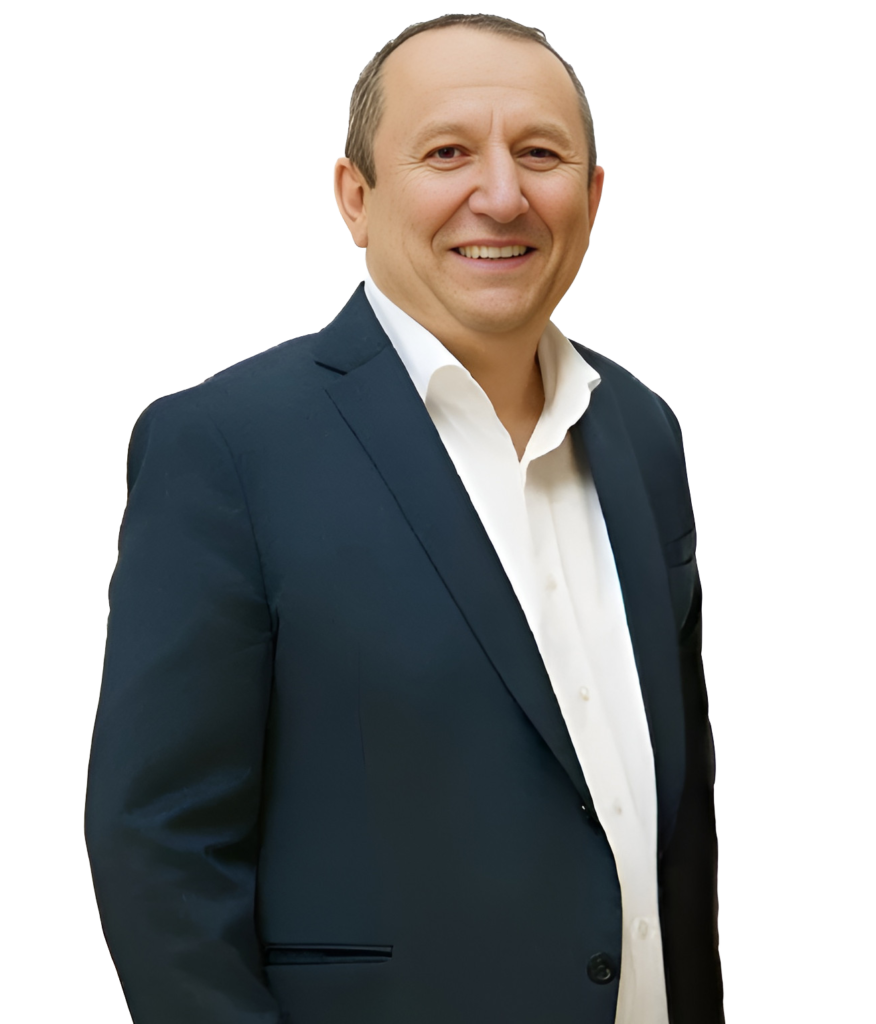
Raşad Mamedov
Founder of TBS Group Holding
Tourism Explorer: Mr. Mamedov, you are well acquainted with both markets. When comparing consumer behavior of tourists from Russia and Türkiye, what are the key differences in hotel selection, booking duration, and approach to extra expenses?
Rashad Mamedov: The key difference lies in the perception of travel itself. For a Russian tourist, an outbound trip is typically the main event of the year, which implies a high willingness to spend on comfort and additional services. Turkish tourists, especially in domestic travel, travel more frequently and are more focused on family budgets and cost efficiency.
Hotel selection: For Russian tourists, the hotel is the central element of the product. Key criteria include 4–5-star category, all-inclusive systems, developed infrastructure, and consistent service. They are willing to pay extra for
recognized brands, beachfront locations, and high-quality food, viewing the hotel as the primary place of stay. Turkish tourists tend to combine formats: mid-range hotels, apartments, or staying with relatives. Statistics show that accommodation with relatives accounts for a dominant share of overnight stays.
Booking duration: Russian tourists tend to plan ahead. The booking window for mass destinations (Türkiye, Maldives, UAE) is measured in weeks or months. Turkish tourists more often take short trips throughout the year, many of which are visits to relatives, planned spontaneously or around public holidays.
Extra expenses: Russian tourists allocate significant budgets for room upgrades, excursions, shopping, and spa services, focusing on a “premium experience” during their main annual vacation. Turkish tourists, especially
domestically, are more cost-conscious: a large portion of the budget is saved through staying with relatives, while spending is concentrated on food, family activities, and price-sensitive shopping.
Tourism Explorer: The Russian market has historically been oriented toward mass beach tourism, while Türkiye активно develops domestic tourism and diversification. What unique strategies and products does TBS Group apply to succeed in these two different markets?
Rashad Mamedov: Our company grew on the Russian mass outbound product, but today we operate within two frameworks: as a provider of “ready made” seaside holidays for Russian tourists and as a partner within the Turkish tourism ecosystem, which is moving away from seasonality. For the Russian mass beach market:We focus on building full-package solutions: charter flights, guaranteed hotel quotas in Türkiye, Egypt, Thailand, and the UAE, based on the “flight + hotel + transfer + insurance” model.We offer a diversified product line by service level from affordable 3–4-star options to premium 5-star all-inclusive resorts, with a strong focus on the
family segment and transparent pricing structures.We manage demand flexibly, quickly reallocating volumes between warm destinations in response to geopolitical shifts and changes in air connectivity. For the Turkish market and partners:We are transitioning from purely beach focused products to year-round offerings: actively developing programs in Istanbul, Cappadocia, as well as thermal and medical tourism destinations. This
aligns with Türkiye’s national strategy for tourism diversification.We co-create products with Turkish DMCs: jointly packaging festivals, гастрономические tours, wellness, and medical packages. This helps fill hotels during low seasons and increase average spending per tourist.
Unique cross-market solutions:We develop combined programs such as “beach + experience” (one week on the coast plus 2–3 days in Istanbul or Cappadocia), allowing Russian tourists to discover Türkiye beyond the all-
inclusive format.We also create specialized thematic products sports camps, wellness tours, educational programs that resonate with Russian consumers and align with Türkiye’s strategy to increase tourism revenue per visitor.
Tourism Explorer: In your view, how do macroeconomic factors (currency fluctuations, inflation) differently impact Russian outbound flows and Turkish domestic demand? Which market is currently more resilient?
Rashad Mamedov: Macroeconomic factors have a multidirectional impact. Russian outbound tourism is critically dependent on the ruble exchange rate. A stronger ruble (as seen in 2025–2026) significantly boosts demand for premium hotels and new destinations. Conversely, devaluation reduces volumes by 20– 30% and shifts demand toward the budget segment. Turkish domestic demand is more resilient due to diversification and
government support. High inflation and lira volatility reduce real incomes, but transport and hotel subsidies, along with a focus on short trips, allow the market to continue growing despite rising costs. At present, the Turkish domestic market demonstrates greater resilience. It grows through diversification policies and strong local demand loyalty, whereas Russian outbound tourism remains highly dependent on currency fluctuations.
Tourism Explorer: Which hospitality trends currently popular in Türkiye do you consider most promising for implementation in hotels targeting Russian tourists?
Rashad Mamedov: Modern Türkiye is focusing on personalization, digitalization, and sustainable hospitality. These trends align perfectly with the expectations of Russian tourists, who are accustomed to all-inclusive systems but increasingly seek variety.
Personalization and family focus:Individualized wellness programs: Turkish hotels are implementing personalized spa, fitness, and detox packages tailored to age and interests (anti-stress programs for parents, active zones for
teenagers). This significantly increases loyalty among the family segment, which accounts for 60–70% of Russian tourist flows.Children’s concepts with a Russian touch: traditional mini-clubs are evolving into thematic spaces with Russian-speaking animation and culinary workshops.
Digitalization and convenience:Contactless services: mobile check-in, QR- based menus and services, Russian-language chatbots. These reduce language barriers and accelerate service delivery critical for Russian tourists who value efficiency.Hybrid entertainment: a mix of online and offline experiences, including live-streamed concerts and virtual tours of destinations like Cappadocia directly from hotel rooms. This trend helps retain younger audiences and families within the hotel, expanding the boundaries of traditional resort entertainment.
The Profile of a Successful Manager in the Hospitality Industry
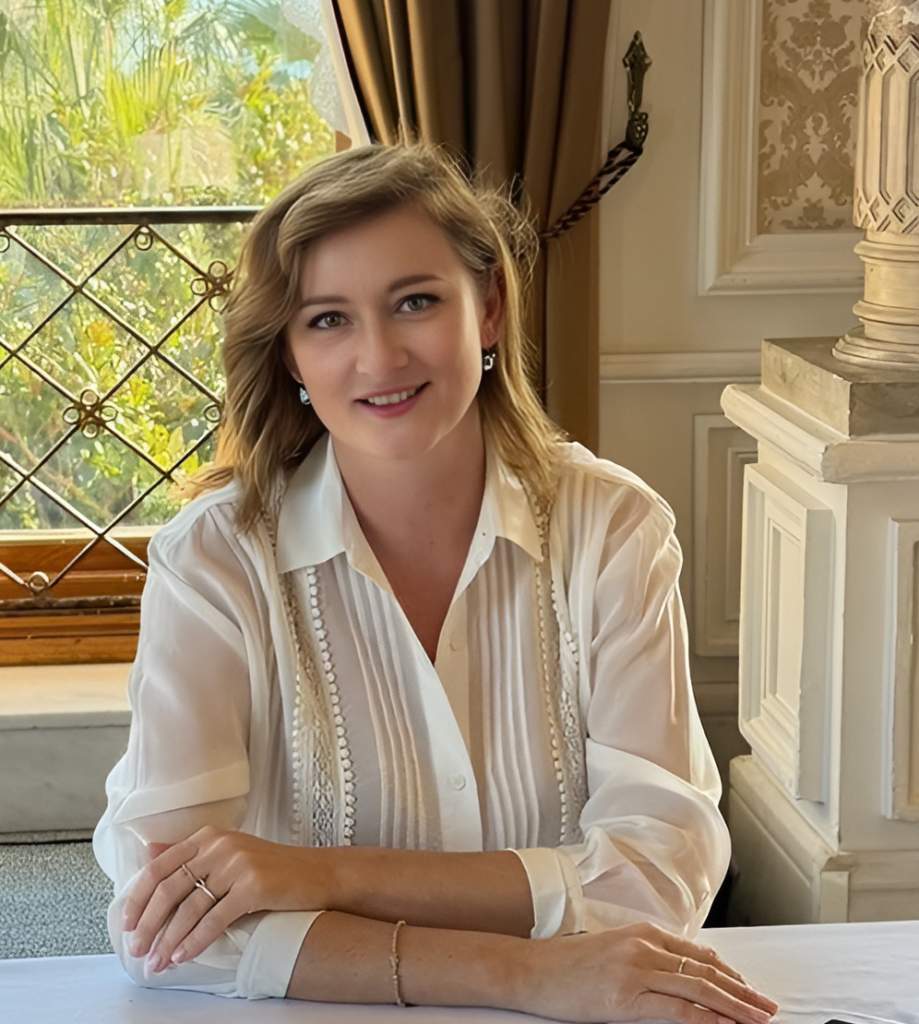
Güzel Kıyak
Agency Relations Manager
Ela Excellence Hotel
Tourism Explorer: Güzel, you started your career as a Guest Relations Agent, progressed to a Marketing Manager (B2B) role in a large hotel chain, and now serve as an Agency Relations Manager at Ela Excellence. What is the key lesson from your “frontline” experience that still guides you as a manager today?
Güzel Kıyak: The most important lesson is the ability to truly understand both the guest and the partner, rather than simply following procedures. When you start in Guest Relations, you learn to see a real person behind every situation, not just a task. Now, in a managerial role, this helps me make decisions not only logically but also intuitively understanding where to tighten control and where to allow flexibility. Another critical aspect is speed of response. On the frontline, you cannot postpone decisions, and I consider this skill essential in management.
Tourism Explorer: In your opinion, what is the main driver of career growth in hospitality? And how did your management style evolve when transitioning from chain hotels to Ela Excellence?
Güzel Kıyak: The main driver is not experience itself, but the ability to take responsibility faster than expected. In hospitality, those who succeed are not necessarily those who have worked longer, but those who understand the business and its processes more quickly how the product is sold, how profit is generated, and how decisions are made.
My management style has also evolved. Previously, I focused more on engagement and relationships; now, it is about balance: structure, clear expectations, while still maintaining human connection. I believe in softness in communication, but firmness in standards.
Tourism Explorer: Today, what serves as the strongest proof for an agency that they are working with a successful B2B manager: numbers, response speed, personal charisma, or something else?
Güzel Kıyak: Today, none of these alone is sufficient neither numbers nor charisma by themselves. A strong B2B manager is a combination of three factors:
Predictable results the agent knows they will deliver a satisfied client with your support.
Speed and reliability you retain the agent by providing timely and high-quality information.
Personal trust the agent chooses you even when pricing conditions are equal with other hotels.
But honestly, in the long run, it’s not the one who “charms” who wins it’s the one who consistently delivers on the partner’s needs.
Tourism Explorer: How would you define the profile of the ideal manager in hospitality today? Is it a strategist driven by analytics, or someone who is present daily in the lobby? And is there a “red line” you have set for yourself as a leader?
Güzel Kıyak: The ideal manager is not a choice between being a strategist and being “on the ground.” It is someone who can be both. You need to understand the numbers, the market, and the product—while also regularly stepping into operations to stay connected to reality.
My personal “red line” is disrespect toward people and a lack of accountability for results. Mistakes are acceptable. Indifference is not.
Tourism Explorer: If you were to write a book titled “How to Build a Career in Tourism,” which chapter would be the most important?
Güzel Kıyak: I would title it: “Don’t wait for a defined role—create it yourself.” In tourism, there are often no clearly defined boundaries of responsibility. And that is exactly what creates opportunities for growth. My career has largely been about taking on more than what was formally required—initiating projects, building communication channels, and launching processes. That is the point where you transition from being an “executor” to becoming a true “value creator” for the business.
The Importance of Media Channels in the Tourism B2B Sector
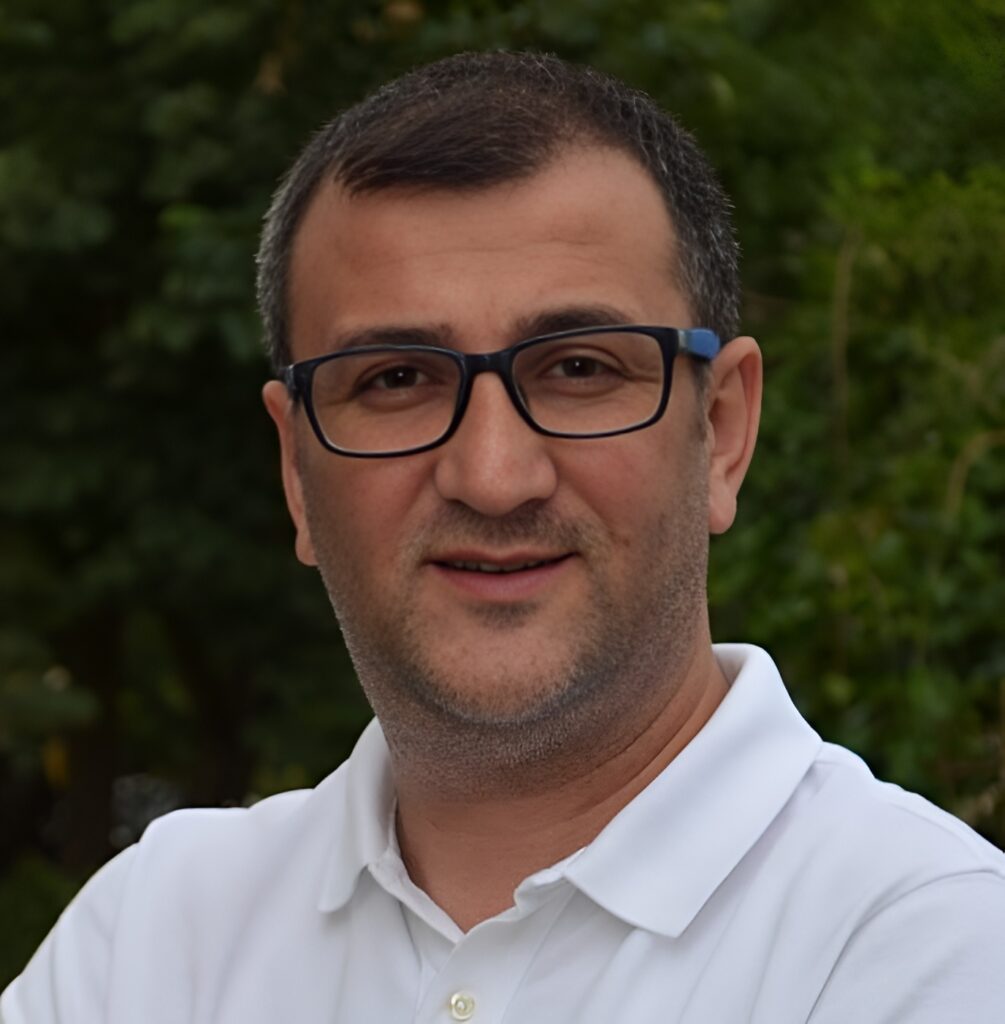
Haluk Özsevim
Editor-in-Chief, Tourism Today President,
Association of Tourism Writers and Journalists (TUYED)
Tourism Explorer: Over the past 5–10 years, how has the role of tourism B2B media evolved? Today, how is the balance between digital speed and in-depth analysis established, and how does this balance affect decision-making processes for industry professionals?
Ahmet Haluk Özsevim: Tourism media has undergone a structural transformation over the past decade. In the era of print publishing, reach was limited by physical distribution capacity; with digitalization, it has shifted to a scalable, real-time, and measurable access model. Tourism Today has been part of this transformation, evolving from print to fully digital, and today reaches an engagement volume of millions.
On the social media side, more than 30 million monthly impressions clearly demonstrate how rapidly information circulates within the industry. This speed has become a direct factor influencing decision-making processes for tourism professionals. The delivery of verified information with minimal delay creates a critical competitive advantage, particularly in dynamic market conditions.
However, rather than a strict separation between speed and depth, there is a complementary relationship. Short-form, real-time information supports operational decisions, while in-depth analysis contributes to the formation of strategic perspective. In today’s media consumption habits, however, verified, fast, and actionable information generates more value than high-volume content.
Tourism Explorer: Which content formats and distribution channels create real impact in reaching tourism professionals today? How do these formats differ in terms of credibility and engagement?
Ahmet Haluk Özsevim: Today, social media has become one of the most powerful distribution channels in terms of reach and speed. However, it also remains one of the most risky environments in terms of unverified content. Therefore, the determining factor is not the channel itself, but the credibility standard under which the content is produced and delivered.
Consistent and verified content production gradually builds a qualified and loyal professional audience. Direct access to different segments of the tourism industry from operational staff to senior executives is now possible. However, transforming this reach into sustainable value is directly linked to content quality and credibility.
At this point, online news portals differentiate themselves from social media through editorial filtering. While social media offers speed and distribution advantages, news portals continue to serve as primary reference points that build trust.
Tourism Explorer: How do you manage the balance between advertiser expectations and editorial independence? What concrete publishing policies do you apply to maintain this balance?
Ahmet Haluk Özsevim: In a rapidly evolving media ecosystem, the balance between editorial independence and commercial expectations has become more critical than ever. Maintaining this balance first requires a clear and uncompromising publishing policy.
With a 25-year publishing history, Tourism Today is positioned as a brand built on objectivity and editorial independence. This positioning forms the foundation of both reader trust and sustainable brand value. In relationships with advertisers, maintaining this line is considered a fundamental principle.
Our publishing policy is built on a balance that respects industry sensitivities while never compromising editorial independence. Particularly in cases of negative developments, content is presented without exaggeration, stripped of opinion, and structured within a data-driven framework. This approach allows readers to form their own assessments while strengthening the media’s role as an informing rather than influencing actor.
Given the economic and employment impact of the tourism sector, a balanced and responsible editorial tone is not only a journalistic choice but also a sectoral responsibility.
Tourism Explorer: To what extent does sectoral media play a guiding role in destination perception and tourism demand? How should the boundaries and responsibilities of this influence be defined?
Ahmet Haluk Özsevim: Tourism media is essentially positioned in two main segments. The first focuses on end-user experience and destination-oriented content, while the second delivers industry data, developments, and analysis in a B2B framework. Although these segments target different audiences, both have a direct impact on destination perception.
Today, consumers make destination decisions through multi-layered research processes. In this context, digital media particularly reliable news sources has become a key reference point. Content provided by news portals creates a higher perception of credibility compared to promotional platforms.
While promotional platforms focus on demand generation and persuasion, news portals build trust through verified data and editorial filtering. This elevates sectoral media beyond a mere information channel, positioning it as a strategic actor that indirectly shapes perception and market orientation.
The boundaries of this influence must be defined by editorial responsibility. Accurate, balanced, and transparent information delivery is critical both for the sustainability of the industry and for the healthy positioning of destinations.
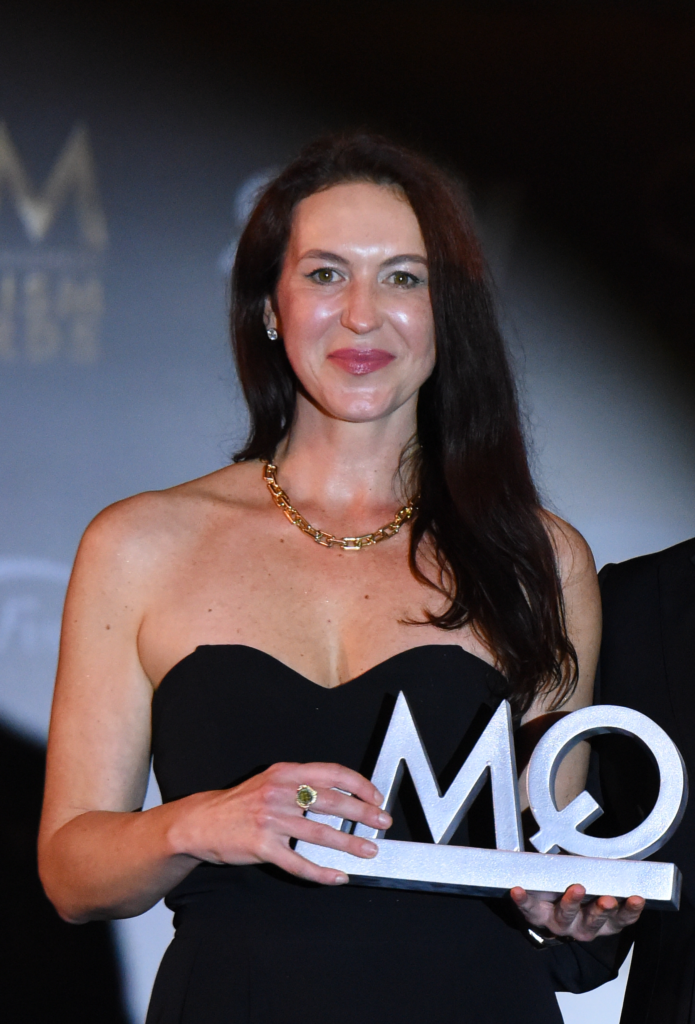
Vera Talih
Director of Strategic Marketing and Development
HelloOtel TurboMarketing
Tourism Explorer: The QM anniversary award will be presented for the 15th time in 2026. What does receiving this award in a milestone year mean for HelloOtel TurboMarketing?
Vera Talih: Receiving the QM award in its 15th anniversary year is not just recognition for HelloOtel TurboMarketing—it is a sign of consistency and a productive partnership with GM-center. When an award has such a long history, it becomes a filter: random players simply don’t make it there.
For our company, this is confirmation that our results are not a one-time success, but the outcome of a cohesive team effort. In an anniversary year, this feels even more significant—you realize you are becoming part of the award’s history. And that means the bar can only go higher from here.
Tourism Explorer: In your opinion, which achievements of your company and its product—the Tourism Explorer magazine—played a decisive role in being recognized by experts once again?
Vera Talih: Our key achievement is the structured and truly effective communication we have built within the industry. We have managed to bring together dozens of hotels and thousands of travel agents from different countries on a single marketing platform.
Tourism Explorer has become not just an information platform, but a tool that connects the market: hotels gain direct access to a B2B audience, while agents receive up-to-date offers and industry news.
We have focused on making communication fast, clear, and most importantly, effective. In an industry driven by speed and trust, this has become our key competitive advantage.
I believe this ability—to connect, accelerate processes, and create value for all participants in the ecosystem—played a decisive role in experts recognizing us once again.
Tourism Explorer: How challenging is it to maintain quality standards year after year, especially in a rapidly changing tourism industry?
Vera Talih: Maintaining a high standard of quality year after year is indeed challenging, especially in our industry where everything changes rapidly and each season brings increasingly complex “quests.”
However, our foundation remains unchanged—communication. We work with people, not just numbers and bookings. And that defines our quality level.
Our approach is built on listening to hotel partners and travel agents, finding compromises, and maintaining a balance of interests for all parties. It is not enough to reach agreements—we must fulfill them, keep our word, and deliver results in every interaction.
In the long term, this is what builds reputation. And in tourism, reputation is essentially the most valuable asset. Maintaining it is far more difficult than winning an award once.
Tourism Explorer: What internal team processes at HelloOtel stand behind this success? Who would you like to thank first?
Vera Talih: First of all, I would like to highlight the owner of HelloOtel, Sabir Mizam. His key strength is long-term strategic vision and the ability to set a direction that inspires the entire team to move forward and grow.
Secondly, our team itself. At HelloOtel, there are truly no random people. Everyone is a professional in marketing and tourism, with a clear understanding of their responsibilities. There is no need to push or micromanage—everyone works consciously and is result-oriented. At the same time, we have managed to maintain a friendly atmosphere, a sense of humor, and a touch of adventurous spirit—without which successful marketing is impossible.
I would also like to highlight our IT department—these are the people who literally keep everything running 24/7, ensuring stability and uninterrupted operations.
And of course, we cannot fail to mention our chef—without exaggeration, a strategically important person in the company. Because no motivation or KPI works as effectively as a good meal.
Tourism Explorer: What are the next key goals for HelloOtel TurboMarketing and Tourism Explorer following this renewed recognition as a quality leader?
Vera Talih: After reaffirming our status as a quality leader, our key goal is not just growth, but sustainable development.
We plan to continue investing in our team, because we believe that marketing is created by people—not just professionals, but inspired, engaged, and financially stable individuals. When a team has internal stability and comfort, it directly impacts the quality of decisions, speed of execution, and level of communication.
Sustainability is also a major focus for us—both within the company and in our interaction with the market. This means long-term partnerships, transparent processes, and creating value that lasts not just for one season, but for years ahead.
We see the combination of a strong team, a well-thought-out strategy, and a sustainable development approach as the foundation of our next stage of growth.
Potential Analysis of Tourism Events (International Antalya Tourism Fair and QM Awards)
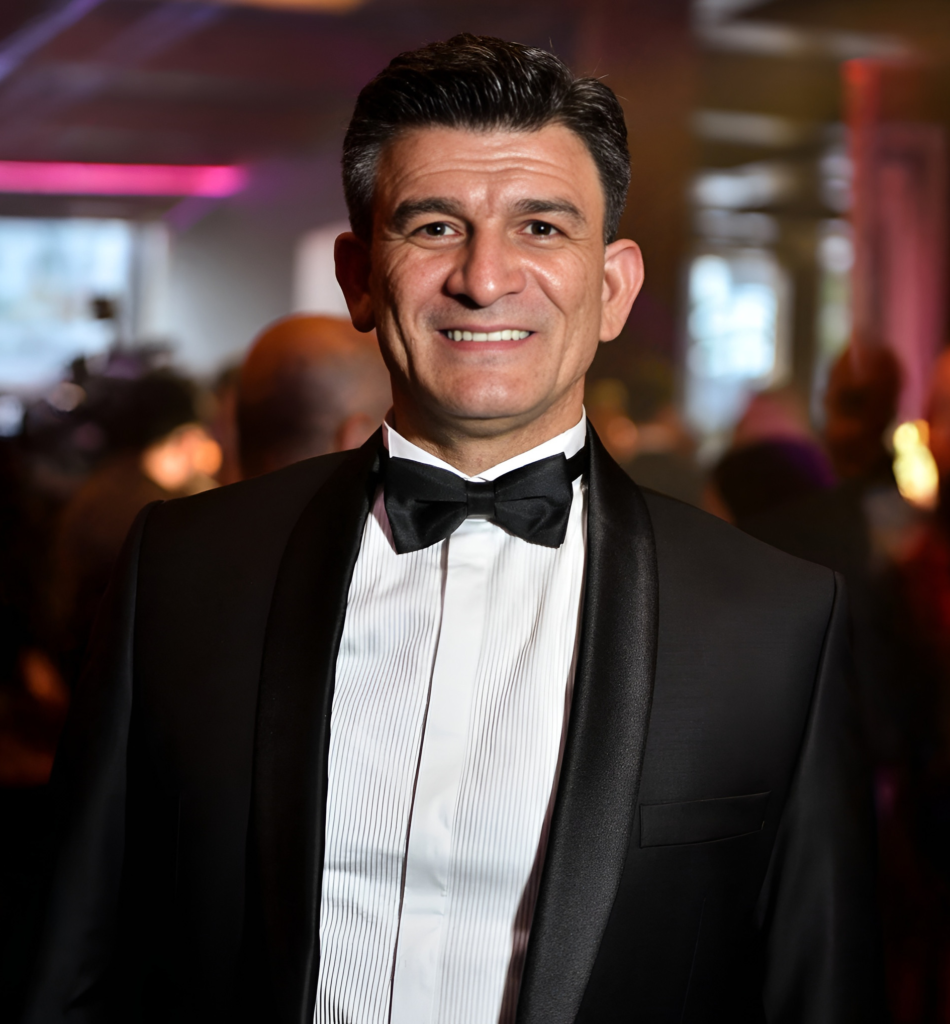
Selçuk Meral
Founder and CEO, GM Center
Tourism Explorer: Mr. Selçuk Meral, you have created platforms that have become major hubs of attraction for tourism professionals. The International Antalya Tourism Fair (ATF Türkiye) is one of them. What is the core secret behind ATF Türkiye’s success? How did you manage to “restart” the exhibition industry and transform ATF into the number one event for industry players?
Selçuk Meral: The core of ATF Türkiye’s success lies in a strong vision shaped by an efficiency- and results-driven approach. We position tourism not merely as an industry, but as a strategic domain, and we build a structure that moves collectively with this perspective. In this sense, ATF is not a conventional meeting point, but a platform where the industry actively generates business together.
The most important differentiator of the fair is that it has redefined the traditional exhibition model. With an on-site marketing principle, we developed a model that brings the right buyer together with the product at its source. Designed with a 360-degree service approach, this structure is supported by strong content stages, B2B systems, international participation, and a wide diversity of brands. We have built a system that offers not only visibility, but also direct business generation and measurable outcomes.
What you refer to as “restarting the exhibition industry” emerges exactly at this point. We transformed ATF from a display space into a platform where business development, networking, and strategic collaborations are actively produced. We created a structure that provides a clear answer to the question “Why am I here?” and delivers tangible commercial value.
Today, ATF Türkiye stands out as a platform that brings together global tourism markets under one roof, focuses on professionals, and generates a high volume of business output. Its ability to gather all key markets relevant to Türkiye and resort tourism simultaneously is one of the most critical factors that differentiates it on a global scale.
At the same time, ATF has become one of the key global intersection points of the industry by bringing together the strongest players in resort and alternative tourism products. Therefore, ATF Türkiye today is positioned as a primary meeting point for industry stakeholders not only because of the experience it offers, but also due to its ability to generate tangible commercial value, high efficiency, and sustainable partnerships.
Tourism Explorer: Known as the “Oscars of Tourism,” the Quality Management Tourism Awards (QM Awards) have been recognizing the best in the industry for 15 years. How have quality criteria and service standards evolved over this period? Has it become more difficult to earn the title of “the best”?
Selçuk Meral: The concept of quality has undergone a significant transformation throughout the QM Awards process. In the past, physical service quality, operational success, and the implementation of standards were the primary focus. Today, however, evaluation has become far more holistic.
Elements such as experience design, measurable guest satisfaction, digitalization, sustainability, brand perception, and service personalization have become decisive factors. It is no longer enough to simply provide good service; it must be supported by data, transformed into a consistent experience, and structured in a way that adds value to the brand.
For this reason, earning the title of “the best” is now much more challenging. Competition is no longer limited to operational excellence; it is shaped by innovation, emotional intelligence, and the connection established with the guest. Brands that stand out are those that do not merely meet standards, but create differentiation and deliver sustainable quality.
This was precisely our objective when we launched the QM Awards: to build a system that not only rewards quality but also transforms it.
Tourism today is no longer managed solely through service quality; it is driven by data, vision, and sustainable intelligence. In today’s world, quality is not a preference but the core intelligence of competition. QM Awards is a platform that defines, measures, and rewards this intelligence.
In line with this vision, our next step is the launch of QM Summit. QM Summit will aim to transform the industry into a structure that thinks, decides, and produces together. Covering all critical areas from sales and marketing to finance, human resources, and technology this platform will be positioned as one of the most important decision-making hubs of the industry before the season, with forums, strategic panels, and structured B2B meetings. The QM Awards Gala Night will serve as the grand finale of this ecosystem.
Tourism Explorer: You have unique experience in organizing events not only in Türkiye but also internationally, such as the Africa Tourism Forum held in Egypt. What are the key differences in organizing B2B events in another country? What kinds of challenges or cultural dynamics did you encounter in this project?
Selçuk Meral: The most decisive factor in international B2B events is accurately understanding local dynamics. Each country has its own business culture, decision-making processes, and trust mechanisms. Processes that move quickly in Türkiye may require more time, patience, and relationship management in other markets. Therefore, instead of a standardized model, it is essential to design market-specific structures.
We observed this clearly during the Africa Tourism Forum process. The most critical factors were working with the right partners, understanding on-the-ground realities, and building trust. Bureaucratic processes, operational flows, and communication styles can differ significantly. When these differences are managed correctly, processes accelerate and a much stronger foundation is established.
From a cultural perspective, trust and relationship-based approaches are the most defining elements. In some markets, the strength of relationships takes precedence over speed. When this balance is achieved, sustainable and strong collaborations emerge.
The Africa Tourism Forum also served as a launch platform for the Africa Tourism Fair. One of the most significant challenges we faced during this process was geopolitical uncertainties and ongoing regional tensions. Tourism, by nature, is a highly sensitive industry and is directly affected by such uncertainties.
However, we do not see this as an obstacle, but as part of a major transformation. African tourism is currently undergoing a transformation process, and these challenges are a natural part of growth. We position the Africa Tourism Fair at the center of this transformation as the “sun of tourism.” We aim for it to become a platform that illuminates the continent with the light of tourism and generates strong momentum for African tourism after this period of challenges and uncertainty.
Tourism Explorer: In the era of digitalization and online communication, what are the biggest challenges facing organizers of large-scale B2B tourism events?
Selçuk Meral: The biggest challenge in the digital age is correctly positioning the value of physical events. Access to information is now extremely easy; people can hold meetings, presentations, and connections online. Therefore, B2B events must evolve from being purely informational platforms into structures that create experience and tangible outcomes.
They must be recognized by the broader public and have an original story and content. Imitative concepts do not generate real results.
At the same time, digitalization has raised expectations. Participants demand fast, transparent, and data-driven experiences. This forces organizers to build systems where technology is at the core.
However, this does not indicate a negative outlook for physical events. On the contrary, the unsustainability of online fairs and event models tested during the pandemic clearly demonstrated the importance of real human interaction, trust, and experience. The value of physical meetings has not diminished; rather, they have become more meaningful and more results-oriented.
Tourism Explorer: Finally, is there anything you would like to add?
Selçuk Meral: Tourism is no longer defined solely by scale; it is shaped by intelligence, adaptability, speed, and the capacity for collaboration. As GM Center, this is exactly what we focus on across all our platforms. Our goal is not only to bring people together, but to build structures that create value, provide direction, and generate tangible results for the industry.
With this mindset, we have also been publishing GM Tourism and Management Magazine for 22 years, serving as both the voice of the sector and a reference point for tourism professionals.
In the coming period, we will continue contributing to the transformation of the tourism industry, developing new business models, and working to position Türkiye as one of the strong centers of the global tourism vision through platforms such as ATF, QM Awards, and QM Summit. Because we believe that the future of tourism will be shaped by structures that think, produce, and grow together.
The Role of Media in the Professional Tourism Sector (Russia Context)

Tatiana Dmitrova
Founder and CEO of TourDom.ru
Tourism Explorer: Tatiana, the professional communications market in Russia has changed significantly in recent years. What role does specialized media like TourDom.ru play today amid high market turbulence and shifting outbound tourism geography?
Tatiana Dmitrova: The professional tourism media market is generally quite conservative: roles are defined, and most players operate within familiar formats, even as they experiment with new positioning approaches. However, in recent years, changes have not been driven by choice circumstances have forced them. Everyone is now searching for their own adaptation model.
We chose a strategy centered on the audience. In essence, this has always been our approach, but during the pandemic it became absolutely clear: the main asset of any media outlet is the depth of its connection with readers. What matters to us is not the importance of our opinion, but our ability to be useful.
That is why we strengthened our focus on audience interaction and redistributed emphasis across formats. We made social media primarily Telegram, which at the time was the fastest-growing and most accessible platform our main showcase. Through it, we build interest and engagement, and then direct the audience to TourDom.ru and Hotline Travel.
However, social media is a highly competitive environment: to be interesting, you genuinely have to be interesting. We deliberately invested in creativity, empathy, and dialogue with our audience. For us, it is essential not just to publish content, but to receive real feedback and involve people in discussion.
As a result, we developed a model where editorial expertise is combined with a constant “pulse check” of audience opinion. Journalists work deeply on topics, but the selection of those topics and the way they are presented are largely shaped by what truly resonates with the market.
This approach has proven effective: we see growth in social media, high engagement, and active feedback. Equally important, we ourselves find this work engaging and that is always محسوس by both the audience and partners.
We consciously adopted this strategy during the pandemic and continue to develop it today.
Tourism Explorer: What audience demands dominate today? What do readers expect from professional news platforms protection of their rights, support in sales, or simply оперативная information about destinations, flights, visas, etc.?
Tatiana Dmitrova: Today, the audience of tourism media is quite fragmented. Few outlets can claim to have a stable “core” readership that consistently follows their agenda. In reality, we work with multiple audience layers from industry professionals to the broader online public.
In the current environment, traffic has become the key success metric. This means we cannot focus solely on the interests of industry specialists we must also consider how the digital ecosystem functions as a whole: search engines, algorithms, and mass audience behavior.
Previously, the emphasis was mainly on professional topics analytics, business issues, industry trends. Today, the range of topics has expanded significantly. It inevitably includes broader and sometimes high-profile stories: incidents, controversial situations, and headline-making cases. This type of content attracts the most attention and drives traffic.
One can view this in different ways, but it is an объектив reality of the media market. If you want to remain relevant in the professional agenda and maintain influence, you must work within this reality—finding a balance between deep industry expertise and content that genuinely resonates with a wider audience.
Tourism Explorer: How would you assess the openness of Russian hoteliers and DMCs to dialogue with the press compared to their counterparts in Turkey or Egypt?
Tatiana Dmitrova: It is difficult for me to directly compare communication levels with hotels and DMCs in other countries over time. However, I can speak about the dynamics we observe within the Russian tourism business.
Unfortunately, from a media perspective, the trend is largely negative. As the market becomes more structured, companies consolidate, and the number of players decreases, the level of openness also declines. It is becoming increasingly difficult to obtain informal and candid perspectives.
Today, only a few experts remain who are willing not just to give comments, but to reflect on ongoing processes, share evaluations, forecasts, and sometimes even engage in debate. Such speakers are becoming especially valuable.
Compared to the past, the market used to be far more open and substantive in its dialogue with the media. Today, communications are becoming more formalized and carefully managed and, in that sense, less authentic.
Tourism Explorer: TourDom.ru is a powerful tool of influence. Are there cases where your publications have helped resolve conflicts within the “hotel–tour operator–agent–tourist” chain or influenced regulatory decisions?
Tatiana Dmitrova: Thank you for that assessment. For us, it is indeed important to be useful to our audience not only in covering general trends and events, but also in working with specific situations.
We pay close attention to individual stories whether they involve large entrepreneurs, agents, or tourists. This layer of content is fundamentally important to us.
We aim not only to describe conflicts or cases of injustice, but to dive into them, understand the details, and, where possible, help find solutions. The work often begins even before publication: we contact the parties involved, clarify positions, and help establish dialogue. In some cases, conflicts are resolved at this stage.
So yes, it can be said that our publications and our involvement do influence outcomes. We regularly receive feedback from people we have helped: avoiding conflicts, securing refunds, or resolving complex issues with partners.
For us, this is perhaps one of the most important indicators that media functions not only as a source of information, but also as a tool for real, practical support within the market.
Building a Sustainable Tourism Ecosystem in Kemer Through Local Initiatives
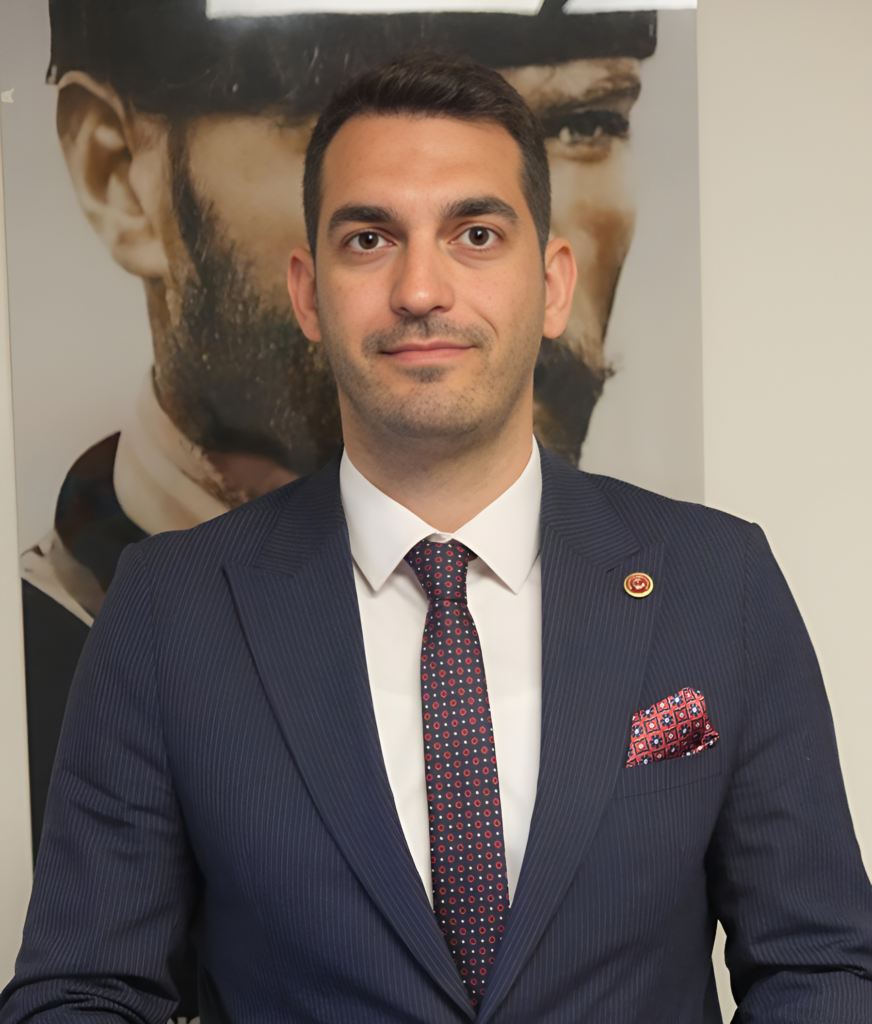
Cansın Efir
Head of Tourism Department, Kemer Municipality
Owner of Nar Otel
Tourism Explorer: Mr. Cansın, as the Head of the Tourism Department of Kemer Municipality, could you share with our readers what mechanisms and city-level initiatives the municipality has already launched or plans to implement to motivate tourists to choose this region?
Cansın Efir: First of all, I would like to emphasize that Kemer already possesses one of the most advanced and high-quality hospitality infrastructures not only in Türkiye but also internationally. The region has always remained an exceptionally valuable destination thanks to its unique natural environment. However, as the Kemer Municipality, we decided to move this strong potential beyond traditional approaches. Since taking office, we have launched a comprehensive digital promotion project, Visit Kemer, to position the region more effectively on a global scale.
Within the scope of Visit Kemer, this year we are focusing on innovative technologies. Through AI-generated content, we are expanding Kemer’s perception beyond the classic “sea, sand, sun” formula. We present the region’s millennia-old history, its ancient ports, and unique mythological narratives using a contemporary cinematic language. Our goal is to demonstrate that Kemer is not only a destination with unparalleled nature but also a place with a living, legendary soul.
In addition, we are making the off-season highly dynamic. During this period, we host international extreme sports events that merge nature with adrenaline, such as the hard enduro race “Sea to Sky,” the ultramarathon “Run to Sky,” and the “SUP Cup Kemer.” Through these initiatives, Kemer is evolving into a year-round destination that delivers memorable experiences in every season.
Tourism Explorer: How do you evaluate the real economic role of tourists for the city budget, and what are your goals for increasing visitor spending outside hotels?
Cansın Efir: Kemer completed 2025 quite successfully, welcoming approximately 3.5 million tourists. However, we are observing a global shift in traveler behavior: visitors coming to Türkiye are primarily seeking experiences rather than shopping. Instead of filling their suitcases with goods, they prefer to spend on day trips, excursions, and new emotions. This trend is a major advantage for Kemer, as we can offer a wide range of alternatives from ancient cities to mountain canyons and outdoor activities.
That said, high hotel occupancy and the growing demand for experiences are not yet fully reflected in the revenues of local businesses. The entire economic ecosystem in Kemer depends directly or indirectly on tourism income. Our key challenge is to encourage tourists to step outside hotel premises and integrate their demand for experiences into the local economy.
There are two main reasons for this. First, hotel infrastructure is so comprehensive that guests often feel no need to leave the property. Second, local businesses have struggled to quickly adapt from a “product-based” model to an “experience-based” economy.
We aim to change this dynamic. In 2026, we are launching projects that will infuse the city with art and music. Street performances and curated “shopping days” will offer not just products, but atmosphere and emotion creating new points of attraction and encouraging visitors to spend more time, and money, within Kemer’s urban fabric.
Tourism Explorer: What infrastructure priorities such as transport, parking, and utilities are you addressing to manage the increasing flow of visitors?
Cansın Efir: Kemer’s infrastructure development is rooted in a significant historical fact: the city was established in the 1980s as Türkiye’s first planned tourism destination under a World Bank project. Initially designed for 30,000 beds, today it accommodates up to 150,000 people daily.
To manage this scale, we operate in full coordination with relevant ministries, public institutions, and the private sector. In recent years, we have completely renewed water supply systems, sewage infrastructure, treatment facilities, and electricity networks ensuring Kemer’s operational sustainability for decades ahead.
We are now entering the final phase. By the end of 2026 and early 2027, we will complete extensive urban landscaping, road renewal, and environmental design projects.
Tourism Explorer: As the owner of Nar Otel, what are the main challenges facing small hotel businesses in central Kemer? Does the municipality adequately respond to these concerns?
Cansın Efir: This is a complex and multi-layered issue. The challenges faced by boutique hotels are less related to local governance and more to macroeconomic conditions and industry-wide transformations. The expectations of hoteliers from the municipality are quite clear: timely waste management, clean streets, and a safe, calm environment. As Kemer Municipality, we largely fulfill these fundamental responsibilities and remain attentive to business needs.
However, from an operator’s perspective, the core difficulties lie elsewhere: global crises, inflationary pressures, and the significant financial burden of continuously updated tourism regulations and certification requirements. For small-scale accommodations, covering these costs is the primary challenge.
As a result, many small hotels especially those that lost resilience after the pandemic have been forced to convert into staff housing for large resort hotels in the region. This represents a serious threat to Kemer. When central boutique hotels, which should host tourists who engage with the city, instead accommodate only staff, it disrupts both the socio-cultural structure and the economic cycle of the destination.
Resolving this imbalance requires national-level policy interventions rather than local governance alone. We are in dialogue with the Ministry of Tourism on this matter and are hopeful for a near-term solution.
Tourism Explorer: How would you like Kemer to be perceived by the professional tourism community in the next decade?
Cansın Efir: Kemer is a true paradise for leisure, both nationally and globally. However, global trends indicate a period of significant transformation. In today’s fast-paced world, rest, nature, and the sea are no longer luxuries they have become psychological necessities. People need spaces where they can disconnect and reconnect with themselves.
Thanks to forward-thinking investors who have accurately identified this trend, and the large-scale projects already underway, I firmly believe that within the next decade Kemer will become the number one destination in Türkiye. Our ambition is clear: to surpass Belek, Side, and even Bodrum. Geographically, Kemer holds a stronger advantage, where mountains, dense pine forests, and the azure sea converge.
While some facilities have aged and no longer meet modern standards, a major physical transformation will begin within the next three to four years. In ten years, Kemer will no longer be defined by the number of tourists it hosts, but by the quality and premium level of its services.
Our vision can be summarized simply: visitors come to Kemer for the sea, sun, and nature but they return for the impeccable service quality and the genuine warmth of its people.