“With strategies extending beyond the summer season, double-digit revenue growth, and a vision for sustainable expansion, the direction of European tourism is shifting.”
Croatia is closing the 2025 season with the highest number of tourists and tourism revenues in its history. As of August 20, official data shows 15.5 million tourist arrivals and a total of 79.2 million overnight stays. This performance represents double-digit growth compared to the 2024 season, with tourism revenues rising by 10.4% during the same period. These figures confirm that this small Adriatic country has become a “high-volume player” in the European tourism market.
Tourism now accounts for nearly 20% of Croatia’s GDP, underlining its role as a key driver of macroeconomic growth. Yet, this progress is not only measured in numbers. The government’s 2025 tourism plans emphasize regional balance, sustainable infrastructure, and smart pricing as the foundations of the country’s evolving tourism model.
“Croatia has become known as a scalable model in Europe’s competitive coastal tourism scene.”
A New Era: Extending the Season, Spreading Demand
Minister of Tourism and Sports Tonči Glavina announced that the country’s future lies in a 12-month tourism strategy. According to the Ministry, the goal is to balance visitor numbers across regions, extending activity beyond the traditional summer season into spring and autumn.
To support this, national promotional campaigns have been restructured—highlighting multi-seasonal experiences ranging from Dalmatian seaside resorts to eco-routes in Slavonia’s countryside. The focus is to spread tourism demand across the year rather than concentrating it in summer months.
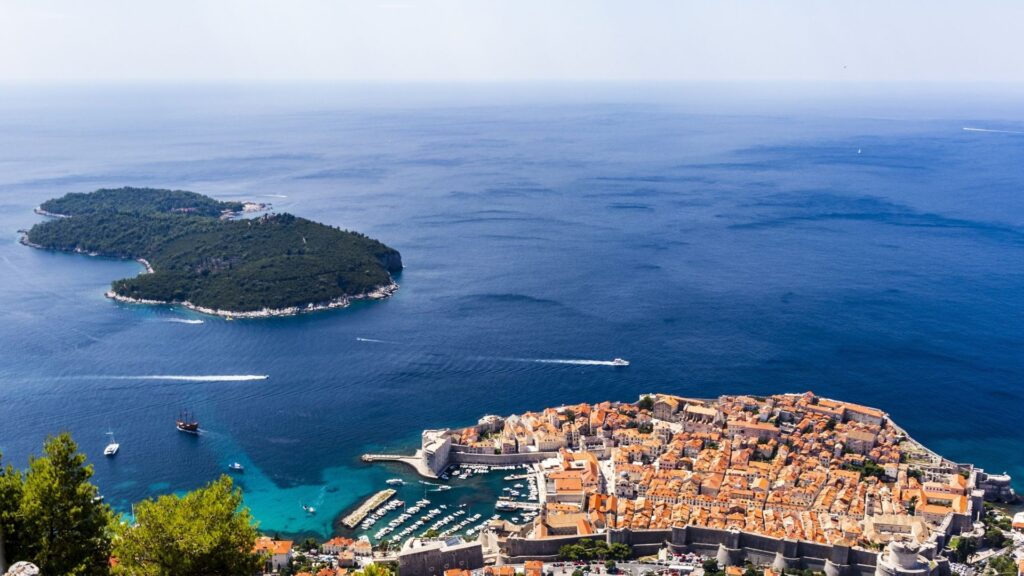
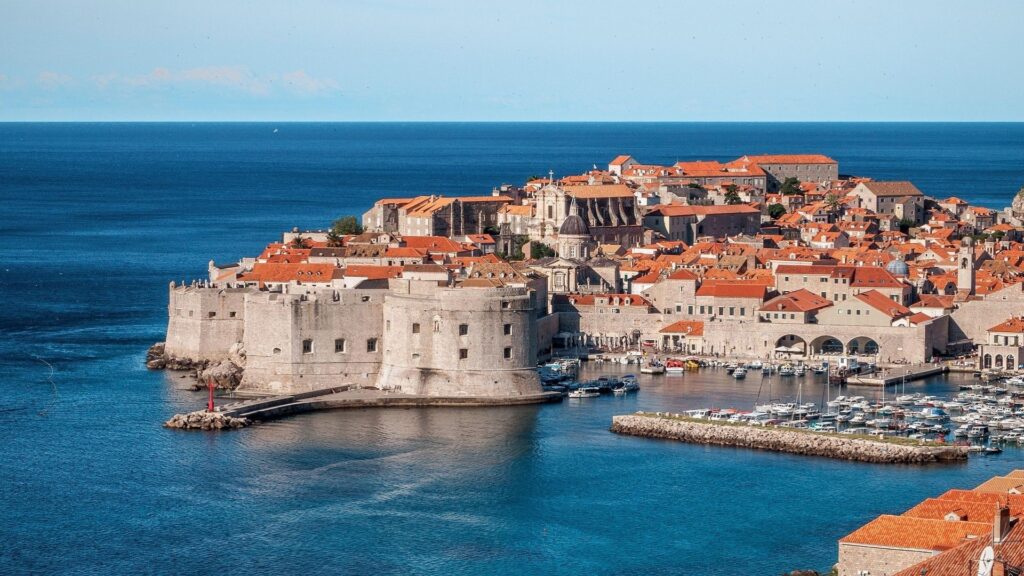
Alongside iconic destinations such as Dubrovnik, Split, Zadar, and Hvar, investments are being directed toward inland regions like Zagorje and Karlovac, promoting gastronomy and rural experiences. June 2025 data confirms the strategy’s success: overnight stays nationwide increased by 14% year-on-year.
Smart Pricing and Infrastructure Drive the New Growth Plan
To prevent uncontrolled price surges, the Ministry of Tourism has introduced a smart pricing policy. Authorities have cautioned that rising peak-season prices in coastal cities could impact visitor satisfaction. As a result, joint task forces were established with hotel chains, short-term rental platforms, and tour operators to maintain quality perception while ensuring price flexibility.
At the same time, infrastructure investments gained momentum. The Croatian Civil Aviation Agency confirmed that 35 new direct flight routes were opened from Zagreb, Dubrovnik, and Zadar airports during the 2025 summer season. Meanwhile, EU-funded projects continue to upgrade road and rail networks—supporting the government’s goal to make not only the coastline but also the interior regions more accessible.
Diversifying Source Markets: Beyond Germany and Austria
Traditionally, Croatia’s main visitor markets have been Germany, Austria, and Slovenia. However, since 2025, the country has actively targeted new regions, including North America, the Middle East, and Asia. Dedicated campaigns and an increase in direct flights from the Gulf countries and the U.S. have made Croatia more visible in long-haul markets.
According to the Croatian National Tourist Board (HTZ), moving away from dependence on a single market is a prerequisite for the Tourism Strategy 2030. This diversification aligns with the country’s long-term sustainability goals.
“The Adriatic coast’s growth rate has surpassed even major players like Spain and Greece.”
From Coast to Countryside: The Quest for Balance and Sustainability
Regional imbalance has long been a challenge across Adriatic destinations. Croatia is now addressing it head-on. In high-traffic hubs like Dubrovnik and Hvar, capacity management, environmental impact reduction, and sustainable mobility are prioritized. Meanwhile, inland regions are being developed through culture-, nature-, and gastronomy-based products.
This has given rise to the concept of “experience-driven micro-destinations.” Examples include traditional wine routes in Slavonia, eco-friendly yacht tours and boutique hotels in Kvarner Bay, and truffle hunting paired with local culinary experiences in Istria—now defining Croatia’s new brand identity.
Europe’s New Favorite
In a March 2025 New York Post survey, Croatia ranked ahead of Spain, Italy, and Greece as “Europe’s most desirable travel destination.” This recognition reflects five years of steady transformation—marked by controlled growth, investor-friendly policies, and experience diversification. Industry experts now describe Croatia as “a small country with a big tourism model.”
“European media are calling the country a ‘tourism laboratory of the future.’”
A Model for Global Tourism
Croatia’s 2025 success signals the beginning of a new era in European tourism. Through sustainable planning, smart pricing, destination diversity, and infrastructure investment, the country demonstrates how a scalable tourism model can be built on a global level.
From its Adriatic coastline to inland valleys, Croatia is evolving beyond being just a destination—it’s becoming a living laboratory for the future of tourism management.