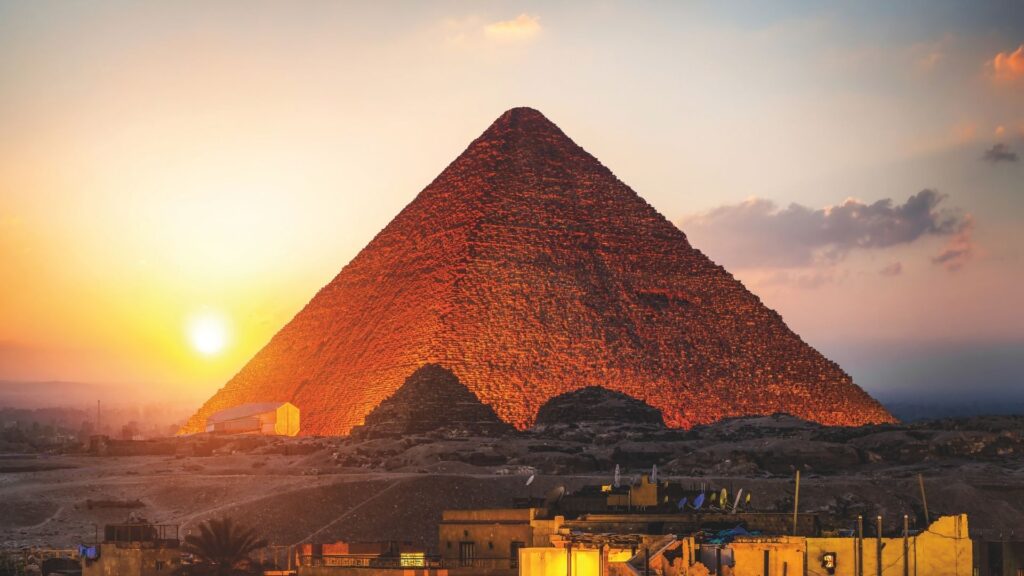
Giza, one of Egypt’s most historically significant regions, continues to captivate visitors from around the globe with its thousands of years of heritage. Located about 20 kilometers west of Cairo, this ancient city is home to some of the most iconic structures from the Pharaonic era. Symbolizing the power and architectural brilliance of Ancient Egypt, the Pyramids of Giza stand as timeless monuments to the pharaohs’ quest for immortality.
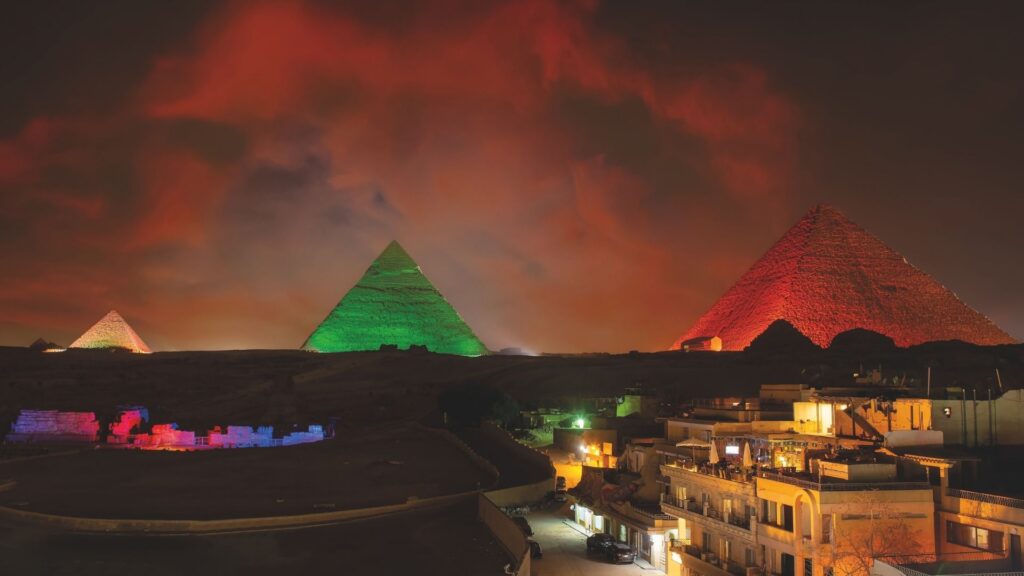
Beyond its architectural wonders, Giza held great political, cultural, and religious importance as a central hub of Ancient Egypt. Its proximity to Memphis, the former capital, made it the ideal site for the royal necropolis. Built during the Fourth Dynasty in the 26th century BCE, the Pyramids of Giza are the only remaining structures from the Seven Wonders of the Ancient World.
A World Heritage Site Protected by UNESCO
In 1979, the Pyramids of Giza were inscribed on the UNESCO World Heritage List, recognized as one of the world’s most significant cultural sites in need of preservation. UNESCO’s commitment extends beyond the physical protection of the monuments, focusing also on managing tourism in a sustainable way.
In recent years, various conservation efforts have been introduced to minimize the impact of mass tourism and urban expansion. Electric vehicles, restricted visitor access, and comprehensive restoration works are among the measures implemented to preserve this extraordinary heritage for future generations.
Giza’s Pyramids: A Testament to Ancient Engineering
Located on the Giza Plateau, the three major pyramids were built by some of Ancient Egypt’s most powerful pharaohs:
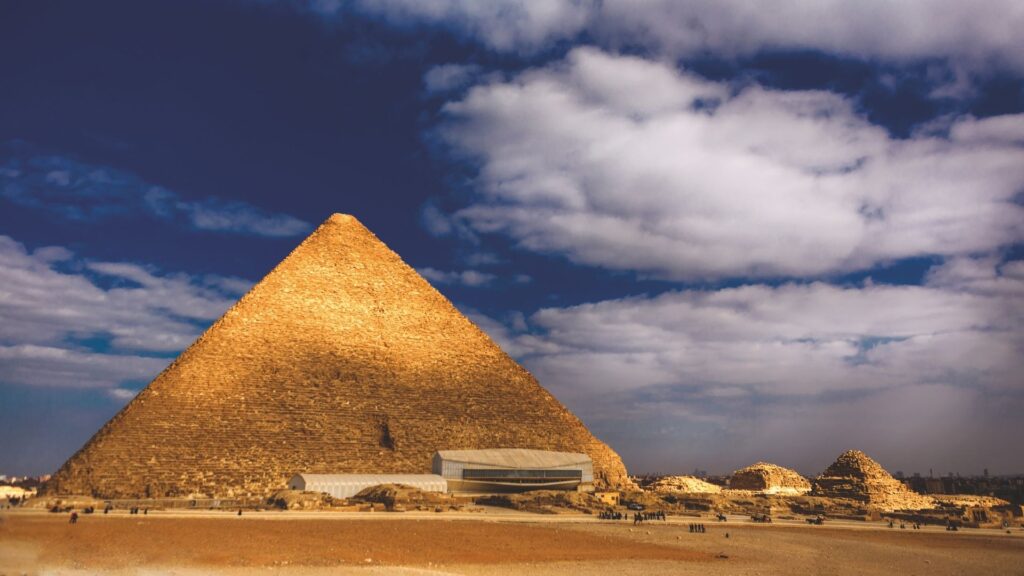
- The Great Pyramid of Khufu (Cheops): Constructed between 2580–2560 BCE, this was the tallest man-made structure in the world for centuries, standing at 146 meters. It is estimated that approximately 2.3 million limestone blocks were used in its construction.
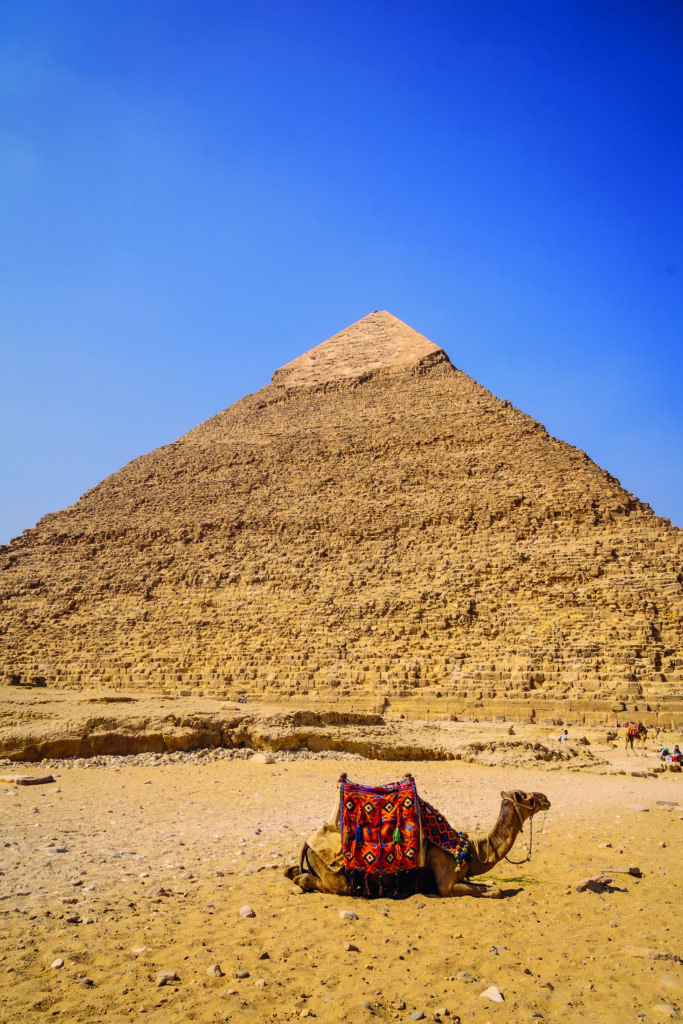
- The Pyramid of Khafre: Built by Khufu’s son, Khafre, this pyramid appears taller due to its elevated location, though it is slightly smaller than the Great Pyramid. Adjacent to it stands the Great Sphinx of Giza—one of the most remarkable and iconic features of the entire complex.
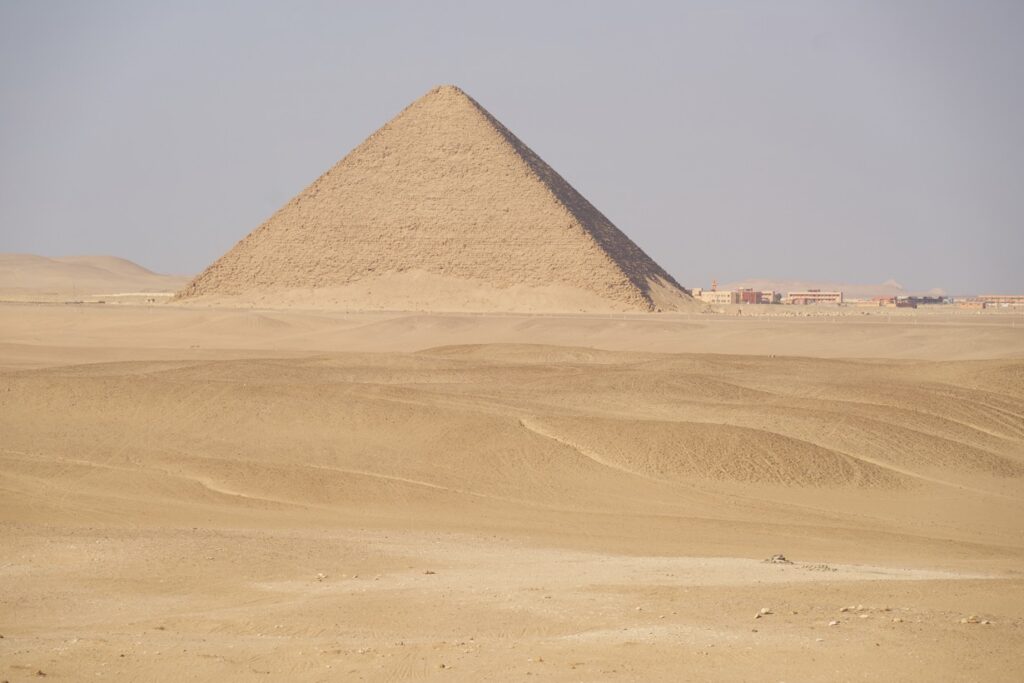
- The Pyramid of Menkaure: The smallest of the three, this pyramid was built using limestone and granite under the rule of Pharaoh Menkaure.
The precise techniques used in constructing the pyramids remain a mystery, though Egyptologists widely believe that ramps and highly advanced construction methods for the time played key roles.
Giza Today: A Cultural and Tourist Landmark
Since being recognized as a World Heritage Site, efforts to preserve and promote Giza’s monuments have transformed the area into a model of sustainable cultural tourism. Drawing millions of visitors annually, the Pyramids of Giza contribute significantly to Egypt’s tourism economy. Smart tourism initiatives, augmented reality tours, and spectacular nighttime light shows create a rich, immersive experience for modern travelers.
With its enduring historical significance and commitment to future preservation, Giza continues to inspire awe—not only for history enthusiasts but for anyone seeking to connect with one of the world’s most treasured cultural legacies.